

You may know the fact that glass bottles are one of the best options to store water. But can water go bad in a glass bottle?
Although water itself doesn’t spoil like food, its freshness and safety can be affected by how it’s stored. Factors like sunlight, temperature, bottle cleanliness, and even the surrounding environment can subtly change its taste or encourage bacterial growth.
In this article, we’ll explore how water can lose its freshness in glass bottles and share practical tips to keep it clean, crisp, and safe to drink.
Does Water Actually Go Bad?
Water itself doesn’t “go bad” because it doesn’t contain sugars, proteins, or anything that helps germs grow. This means pure water can technically last forever. However, the way you store it can change its taste and freshness. For example, if water is left open, it can absorb carbon dioxide from the air, making it taste a little flat over time.
According to the U.S. Food and Drug Administration, bottled water has no real expiry date. Most brands print a “best before” date only to show when the water will taste its best, not because it becomes unsafe.
The type of bottle also matters. Glass bottles are great for long-term storage since they don’t react with the water and don’t let air in. Plastic bottles are slightly porous, so heat and sunlight can affect the water inside and may even allow algae or mould to grow in extreme cases.
Can Water Go Bad in a Glass Bottle?
Water stored in a glass bottle stays fresh for a long time, but it can still “go bad” if the storage conditions are not right. Glass itself is one of the safest materials for holding water because it is non-reactive and doesn’t release chemicals or affect the taste.
This means the water remains clean, pure, and free from unwanted flavors. Glass is also non-porous, so it doesn’t trap odors or support bacterial growth as easily as some other materials.
However, water can still become unsafe if you don’t clean the bottle properly or if it’s exposed to heat, sunlight, or dirt. Microorganisms can grow inside a dirty or unsealed bottle, and long exposure to light may encourage algae to develop.
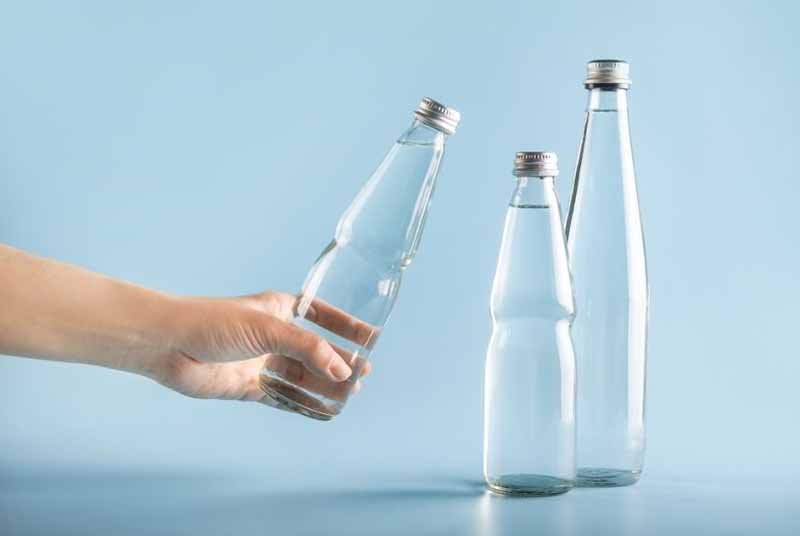
Factors That Affect Water Freshness in Glass Bottles
Even though glass bottles are one of the safest and cleanest options for storing drinking water, the freshness of the water inside still depends on how you handle the bottle and where you keep it. Several environmental factors can gradually affect its taste, purity, and overall quality.
1. Temperature
High temperatures create conditions where bacteria can multiply more easily, especially if the bottle wasn’t sealed or cleaned properly. Heat can also stress the glass, making it more fragile over time. Keeping glass-bottled water in a cool, steady environment helps maintain its clarity, taste, and safety.
2. Light Exposure
Direct sunlight, especially UV rays, can affect the quality of the water. If you keep a glass bottle in the sun for too long, the taste may change, and algae or tiny microbes can start to grow.
Try to keep the bottle in a cool, shaded place, as it helps the water stay fresh and clean for longer.
3. Surrounding Odors
Although glass itself doesn’t absorb smells, the bottle’s cap or seal can sometimes allow strong odors to influence the water’s taste. Storing your bottle away from chemicals, cleaning products, perfumes, or strong-smelling foods ensures the water remains pure and pleasant to drink.
How Long Can Water Stay Fresh in a Glass Bottle?
Water stored in a sealed glass bottle can stay fresh for a surprisingly long time because glass doesn’t react with the water or allow outside air to seep in. In ideal conditions, the freshness can last for several years since the material keeps the flavor pure and prevents any chemical changes. This makes glass one of the best options for long-term water storage.
However, the environment where the bottle is kept plays a huge role in maintaining quality. Heat, sunlight, or strong smells can affect the seal or change the taste over time. For the best results, always store glass bottles upright in a cool, dark place and keep them away from anything with a strong odor.
Although water in a glass doesn’t technically expire, most experts and brands recommend drinking it within about two years to enjoy the cleanest, most refreshing taste. It ensures the water stays as close to its original quality as possible.
How To Know The Water Has Gone Bad
Even though water stored in a glass bottle stays fresh for a long time, it can still lose its quality if the bottle isn’t sealed properly or kept in the right conditions. There are a few clear signs that help you tell when the water should no longer be consumed.
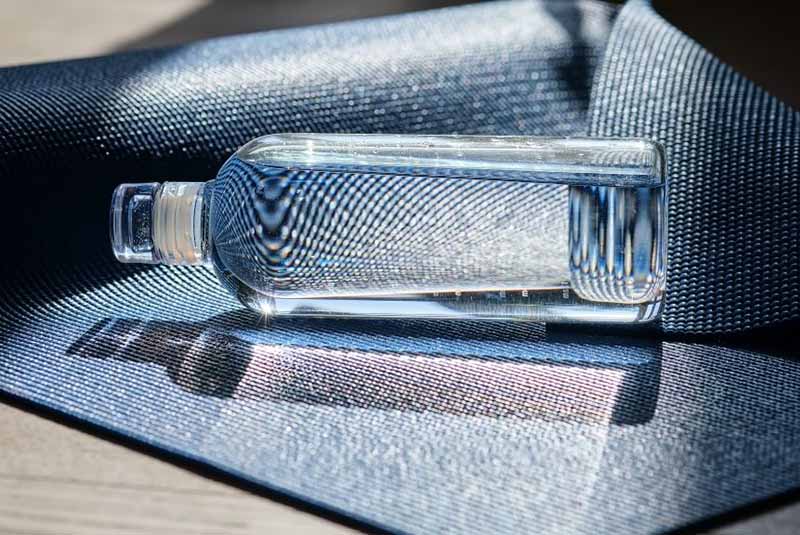
1. Unusual Taste or Smell
If the water tastes metallic, stale, or has a strange odor, it’s a sign that something has contaminated it. Clean, fresh water should always be odorless and neutral in flavor.
2. Cloudiness or Particles
Pure water is always clear. If you notice cloudiness, floating particles, or any sediment inside the bottle, the water may have been exposed to bacteria, dust, or other contaminants.
4. Damaged or Loose Seal
If the cap is cracked, loose, or shows signs of wear, air and contaminants may have entered. In this case, the water is no longer safe.
Proper Water Storage Tips In A Glass Bottle
Here’s how proper storage practices help keep water in a glass bottle fresh, pure, and safe to drink for longer.
1. Keep the Temperature Cool and Stable
Glass-bottled water stays best when stored in a cool place, around 10°C to 15°C. Heat can make the water taste different and may help bacteria grow, while freezing can make the bottle crack as the water expands.
Keep bottles away from ovens, heaters, or places where the temperature changes a lot, since this can weaken the glass or damage the cap.
2. Protect It From Sunlight
Direct sunlight, especially UV rays, can affect the water’s taste and may make it easier for bacteria to grow. To keep your water fresh and clean, store glass bottles in a cool, shaded place like a cupboard or pantry.
3. Store Upright in a Clean Space
Always keep glass bottles standing up. This helps the cap stay sealed and prevents leaks or contamination. Also, store them away from strong-smelling chemicals, cleaning products, or foods, because odors can get into the water and change its taste.
4. Check Dates and Rotate Regularly
Water in glass bottles doesn’t really go bad, but it tastes best if you drink it within about two years. Over time, the cap may lose its tight seal, or the water may pick up small flavors from its surroundings.
Try to use older bottles first and rotate your stock to keep your water fresh.
Conclusion
Now, you know the detailed answer to the question: Can water go bad in a glass bottle?
Water in a glass bottle doesn’t truly go bad, but its freshness and taste depend on proper storage. To maintain quality, store bottles upright in a cool, shaded place, away from strong odors and temperature changes. These simple techniques ensure your glass-bottled water stays clean and refreshing.