
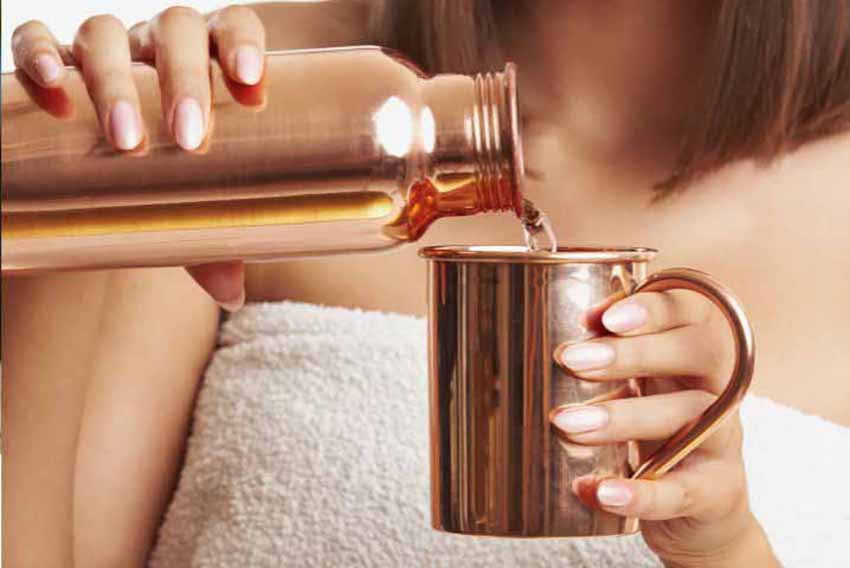
Copper water bottles are known for their health benefits and traditional use in Ayurveda. But unlike regular plastic or steel bottles, they can make water taste different after a while.
If you’re wondering why water in copper bottle tastes bitter, it’s because the metal reacts with the water, especially under certain conditions. This article will help you understand the exact reasons behind the taste, what makes it stronger, and simple ways to fix it.
Let’s get into the details!
6 Reasons Why Water In Copper Bottle Tastes Bitter
Noticing a bitter taste in your copper water may or may not be a big deal. Below, we will discuss the reasons for this and how you can use your copper bottle correctly and safely.
1. Natural Reaction with Copper
When you store water in a copper bottle, the surface of the copper naturally releases tiny amounts of copper ions into the water. This is a slow process and is influenced by factors like how long the water sits in the bottle and its overall quality.
The taste that develops is known as the metal ion taste. Our taste buds can detect certain metals, even in very small amounts. Copper ions can create a metallic or bitter flavor. Although it may seem strange at first, it’s usually not dangerous.
In fact, copper is a trace mineral that the human body needs in small amounts for essential functions like energy production and immune system support.
However, too much copper can be harmful. So, you must not overdo it by leaving water in the bottle for too long.
2. Acidic Ingredients Can React Badly
Copper is a reactive metal that can easily interact with acidic ingredients. If you put acidic beverages (e.g., lemon juice, vinegar, or even mildly acidic water) in your copper bottle, it speeds up the release of copper ions.
Eventually, this can result in a much more noticeable and unpleasant taste.
Note: Although lemon and vinegar are often recommended for cleaning copper bottles due to their ability to remove oxidation and stains, they should never be left in the bottle or used for drinking.
After cleaning, rinse the bottle thoroughly with clean running water to ensure no acidic residue is left behind.
3. Water Quality and pH Levels
Not all water is the same. If your tap or filtered water is naturally more acidic (has a lower pH level), it will interact more strongly with the copper surface. This increases the amount of copper that gets into the water and, in turn, makes the taste more intense.
Other minerals and chemicals in the water, such as chlorine or fluoride, can also influence how copper behaves. These reactions might not be visible, but they can definitely affect the flavor. If you’re noticing a stronger taste than usual, check the pH of your water or use a neutral, purified source to reduce bitterness.
4. The Temperature Effect
The temperature of the water also plays a role. Warmer water speeds up chemical reactions, including the leaching of copper into the water. That means if you pour warm or hot water into your copper bottle or leave it in a warm room, the taste will likely become more metallic and bitter over time.
For the best taste, store cool or room-temperature water in your copper bottle.
and drink it within 6 to 8 hours or overnight. Leaving it overnight is fine, but storing it for an entire day or more, especially in warm conditions, can make the flavor too strong.
5. Prolonged Storage
Time is another major factor. The longer water stays in contact with copper, the more copper ions it can absorb. The ideal practice is to drink the copper-stored water within 6 to 8 hours or overnight. Leaving the water in the bottle for over 24 hours is not recommended at all.
Over time, this can make the water taste unpleasant and increase the risk of copper overexposure if consumed regularly.
6. Dirty Bottle Build-Up
If your copper bottle isn’t cleaned properly, leftover residue or tarnish can build up on the inside. This layer of dirt can react with the water and add to the bitter taste. To avoid this, clean your bottle regularly, following the practices we’re going to discuss below.
What’s The Right Way to Clean the Inside of Your Copper Water Bottle?
Copper bottles can build up oxidation (that greenish layer), mineral deposits, and bacteria if you don’t clean the bottles properly. Here’s how you can clean the inside of your copper bottle using things you already have at home.
Method 1: Vinegar Rinse
- Pour some white vinegar (about 1/4 of the bottle) inside
- Close the bottle and shake it well for about a minute
- Let it sit for at least 15 minutes so the vinegar can break down any buildup
- Rinse thoroughly until the vinegar smell is gone.
Method 2: Lemon or Lime and Salt
- Squeeze the juice from a lemon or lime into the bottle
- Add a teaspoon of coarse salt
- Close the lid and shake the bottle for a good 30-60 seconds
- Let it sit for 10 more minutes
- Rinse it out well with clean water.
Method 3: Baking Soda Soak
- Fill 1/3 of the bottle with warm water
- Add two tablespoons of baking soda
- Shake it up and leave the solution inside for about 30 minutes
- Rinse out the bottle thoroughly afterward.
Conclusion
So, the reasons why water in copper bottle tastes bitter are many. It can be that copper ions naturally dissolve into the water and cause the taste. This reaction becomes stronger with acidic contents, warm temperatures, or longer storage time. Although this isn’t harmful in small amounts, it can feel unpleasant if you’re not used to it.
To reduce the bitter taste, don’t put acidic liquids in it, don’t leave water in the bottle too long, and clean it regularly using safe methods like lemon or vinegar.